Stay safe
An electric unicycle gives you no cage and no crumple zone. Everything between you and the road is what you chose to put on, and everything between you and a car is where you chose to ride. This page is what PEVRA has learned about those two choices, and it says which part is not written yet.
The helmet
Helmets are required on every Westwheel ride, and every rider at a Jump On! session is offered one — with knee pads, elbow pads and gloves — before they get on. Trainers must make that offer; a rider may decline it. A fall from a wheel at walking pace is a fall onto pavement with nothing to break it, and the head is what arrives first. Wear one.
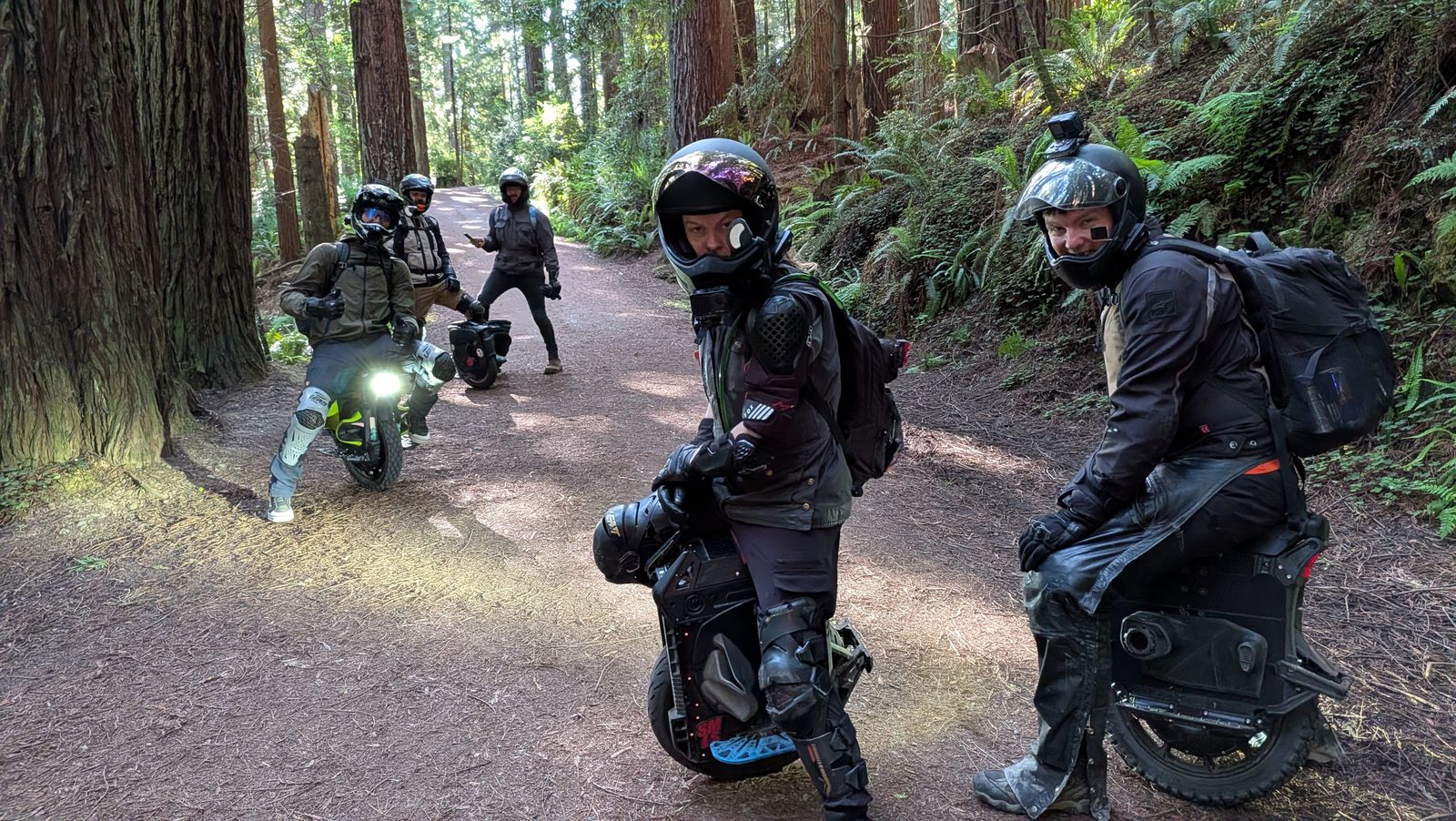
Beyond the helmet PEVRA does not prescribe a kit, because riders and rides differ. What experienced riders on a distance day wear — wrist guards, knee and elbow protection, a full-face helmet at speed, high-visibility on the road — is what the people in the photographs on the Westwheel pages are wearing. That is the recommendation: look at what the riders who have done it for years put on.
Where you ride matters most
Across the records volunteers keep of riders who have died, the pattern is not subtle: the car is the main threat. A wheel that falls on a path hurts its rider. A wheel that falls in a traffic lane is under a vehicle. Where you ride decides which of those a bad moment becomes.
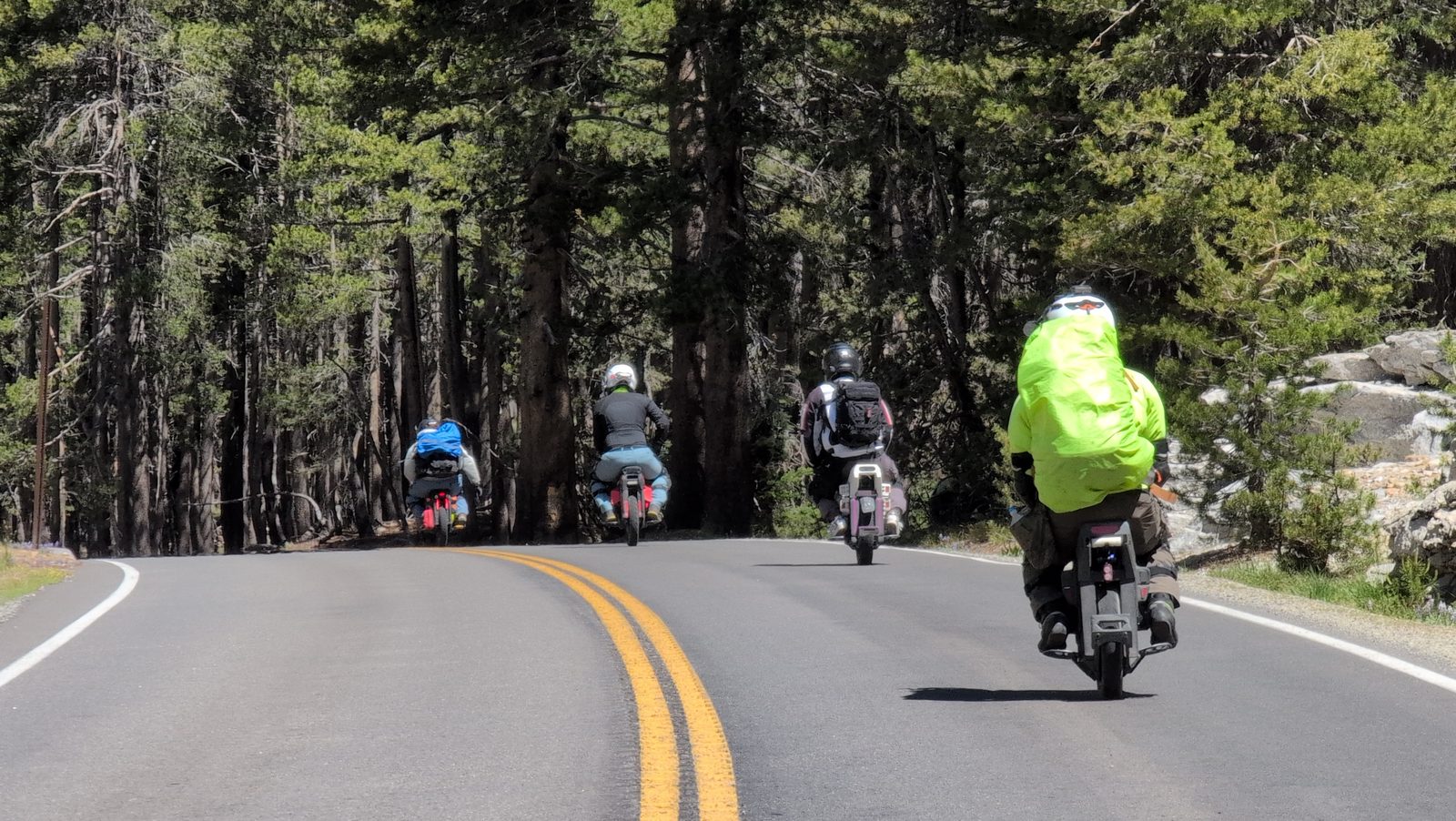
That is why PEVRA cares about bike lanes and paths as a safety matter and not only a legal one, and why the routing app PEVRA builds treats a freeway as a bad trade at any speed: no cage, and a real speed difference with the traffic. Choose the quieter road, the marked lane, the path where riding it is allowed — and check that it is allowed, because the answer changes at the city line.
Speed, and what a wheel can do to you
A modern electric unicycle can hold speeds that were unthinkable a few years ago, and the machine will not stop you from asking for more than it can give. The failure that matters is the cut-out: when a rider demands more than the motor has left — at speed, on a climb, with a low battery — the wheel stops balancing, and the rider goes forward off it. Every wheel warns before that point, by tilting back or beeping. Riders who have been at this for years treat the first warning as the limit, not the last one.
PEVRA holds that a wheel should never carry a built-in speed cap and that the speed limit belongs to the rider and the place — a lower one on a shared path, a higher one on an empty road. That is a position about law. The safety corollary is on the rider: the limit the law sets is the ceiling for the space, not a target, and the wheel’s own limits are lower than its brochure on a cold day with a half-empty battery.
Know your coverage, and your limits
Anyone who rides an electric unicycle, or comes to a Jump On! session to try one, should know what their health coverage is before they get on. Learning carries risk and riding carries risk, and neither PEVRA nor a trainer can take that on for you. Find out what your insurance covers before you need to.
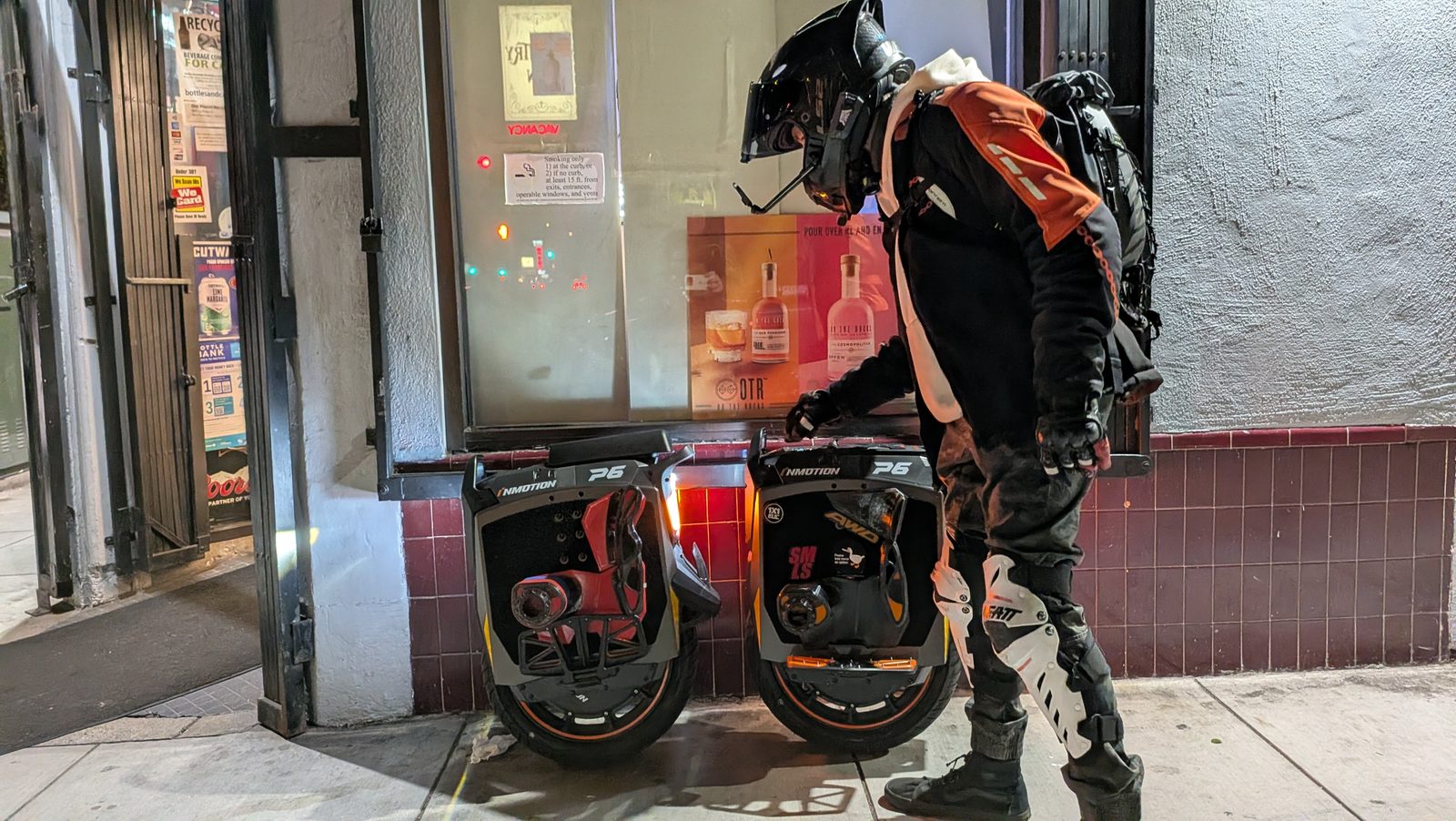
The rest is a state of mind. Riding well asks for a heightened sense of awareness and, sometimes, a lowered sense of confidence. An overconfident rider is the most dangerous rider on the planet — to themselves first. The riders who have been at this longest are the ones who still treat every ride as one that could go wrong.
Charging and fire
Lithium-ion cells are in everything now — laptops, phones, half the gear in a house. Very few of those things pack hundreds of them side by side the way an electric unicycle does. Charged and used properly, a wheel gives years of safe, reliable service; the care is in the charging.
- Use the charger that came with the wheel, or one built for your model and its voltage range. Nothing else.
- Stay inside two limits: what the wheel is rated for, and what the circuit you are plugged into can give. A household outlet is usually a slow charge, around 2 to 5 amps, and that is fine.
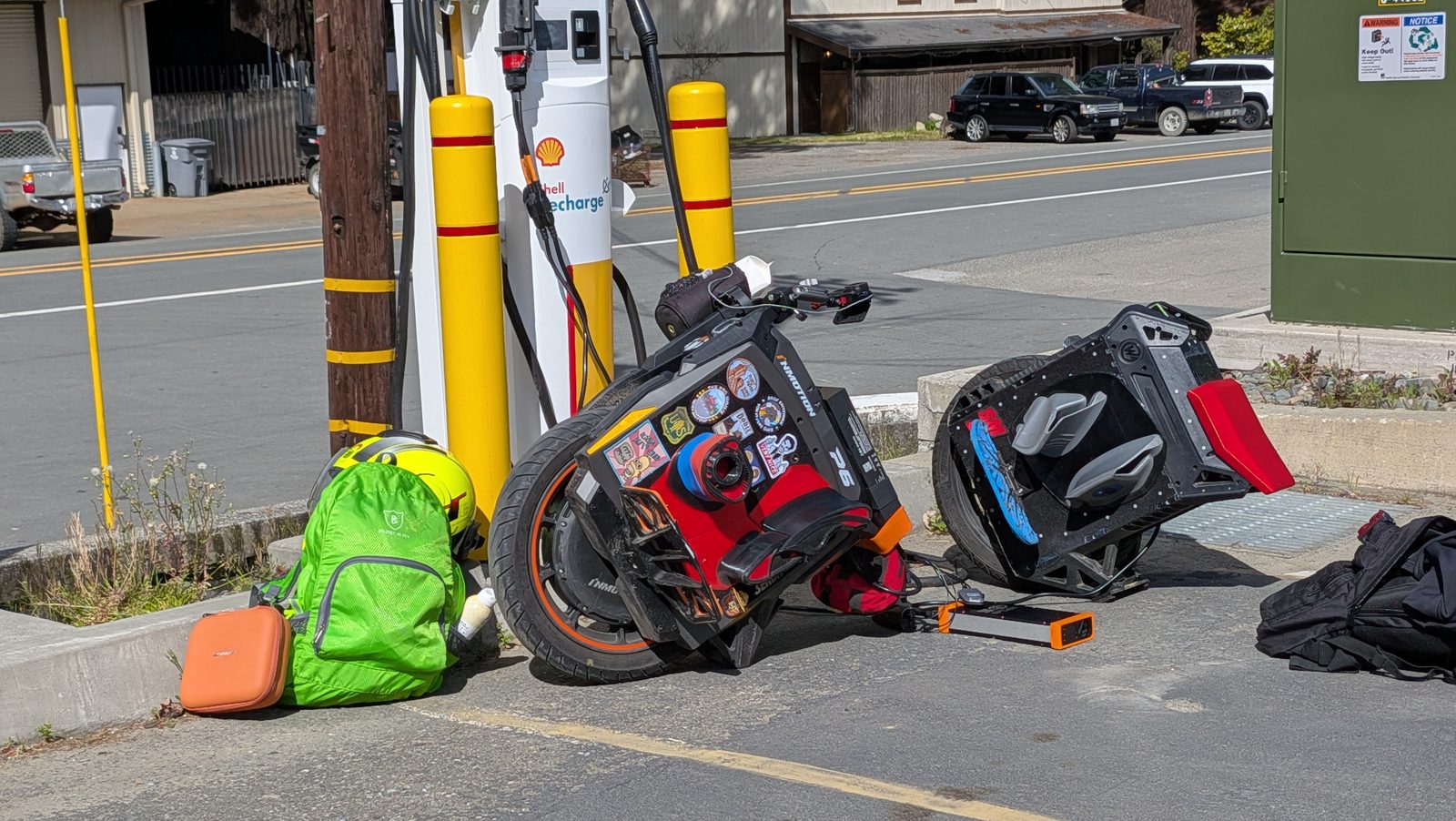
- Fast charging on the road is how distance rides work: a fast charger plugged into a 240-volt J1772 electric-vehicle charger, through the right adapter, can safely deliver up to around 4 kilowatts.
- On an adjustable charger, set the output voltage before you plug in, and never above what the wheel is rated for.
Safety and the law
A law that pushes riders off a path and into a traffic lane is not a safety law, whatever its title says. A law that bans a machine by leaving it out of every definition does not make riders safer; it makes them ride the same roads without a lane, a light rule or a right of way. PEVRA’s legal work exists because of that, and every place page on this site puts where you can ride first for the same reason this page does.
If something on this page is wrong, or you have a record PEVRA should be working from, write to info@pevra.org.
General information about riding, not medical advice and not legal advice. How PEVRA handles evidence.
Page built