Wheels
Electric unicycles are what PEVRA was founded around, and the records on this site are written for them first. But a law rarely says “electric unicycle.” It describes a shape — wheels, handlebars, a floorboard — and a machine either matches or falls through. This page is the vocabulary the rest of the site uses for that.
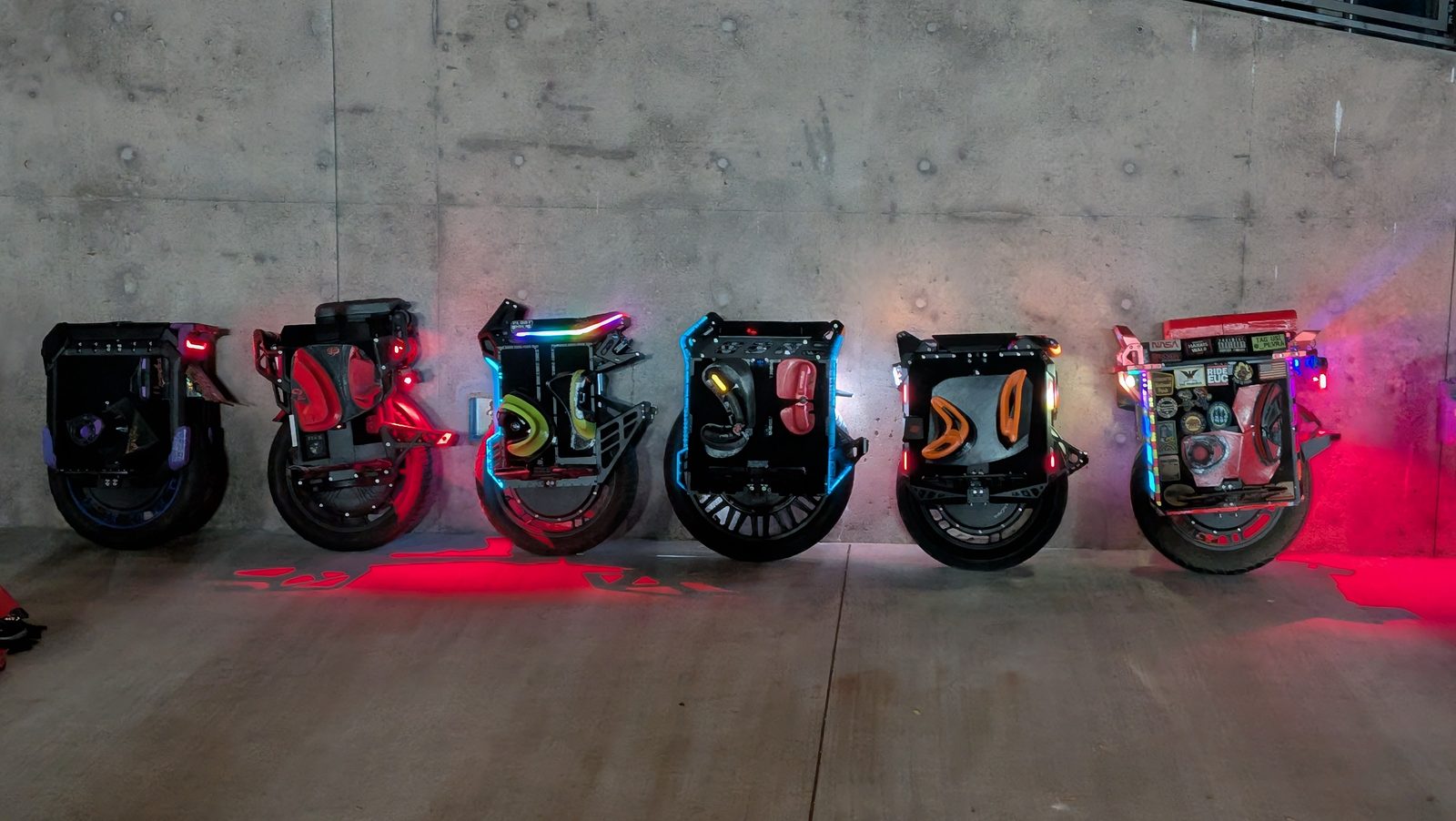
The four classes
Every legal record on this site is kept for a vehicle class, and a place can have a separate record for each. These are the four, with the measurements a law most often reaches for when it defines them.
- Electric unicycle — laws that define it usually measure top speed, motor power, weight, battery voltage.
- Electric kick scooter — laws that define it usually measure top speed, motor power, weight.
- Electric bicycle — laws that define it usually measure top speed, motor power.
- Self-balancing board (Onewheel) — laws that define it usually measure top speed, motor power, weight.
Where a place has more than one record, its page shows the classes as a row of links under the place name. The electric unicycle record is always the one you land on first, and the others are one tap away.
What a law measures
A legislature writing a definition has to pick something an officer can see. So definitions are written in wheel counts, handlebars, seats, floorboards, motor watts and top speeds, and the machines that exist today get sorted by which of those they happen to have.
PEVRA reports every one of those thresholds exactly as the law states it, on the record page, beside the quoted words. What PEVRA does not do is turn a threshold into an instruction. A law that says a class does not exceed 750 watts is telling you which machines the law sees; it is not telling you to ride at a particular speed, and nobody at a roadside stop can measure a motor’s output anyway. What a rider controls is how they ride — the speed, the surface, the yield, the lamps, the helmet — and that is what this site puts first on every page. The device threshold is printed as written and left where it belongs, in the definition.
Why one wheel is the hard case
Most definitions were written with a picture in mind, and the picture had two wheels. A statute that reads “two nontandem wheels” or “a two-wheeled device with handlebars” was not written against the electric unicycle; it simply never imagined it. When that happens the machine falls out of every class the law wrote and lands in whatever is left over — often the general “motor vehicle” class, which it can never register for because it has no lights, mirrors or plate mount to register.
PEVRA calls that excluded by definition, and it is a common finding on this site. It is a drafting accident, not a policy choice, and it is why the cause word on a place’s score so often reads that way. How PEVRA reads an exclusion explains the two readings a rider is caught between when it happens.
What this page will not do
PEVRA does not review wheels, rank them, or tell you which one to buy, and this page is not going to start. A legal resource that also sold you on a machine would deserve less trust for both jobs. Manufacturer specifications matter here only when a law names the number they are measured against, and then the record page prints the law’s number, not the brochure’s.
If you want to know whether the wheel you own is one the law sees where you ride, the answer is on that place’s page, under the first tile: what the law calls the device.
A class here is a key for the legal record, not a judgement about a machine. How PEVRA verifies.
Page built